My Homelab Grew Up: From Hobby to Production Infrastructure
 ·
·
2 min read
·
·
2 min read
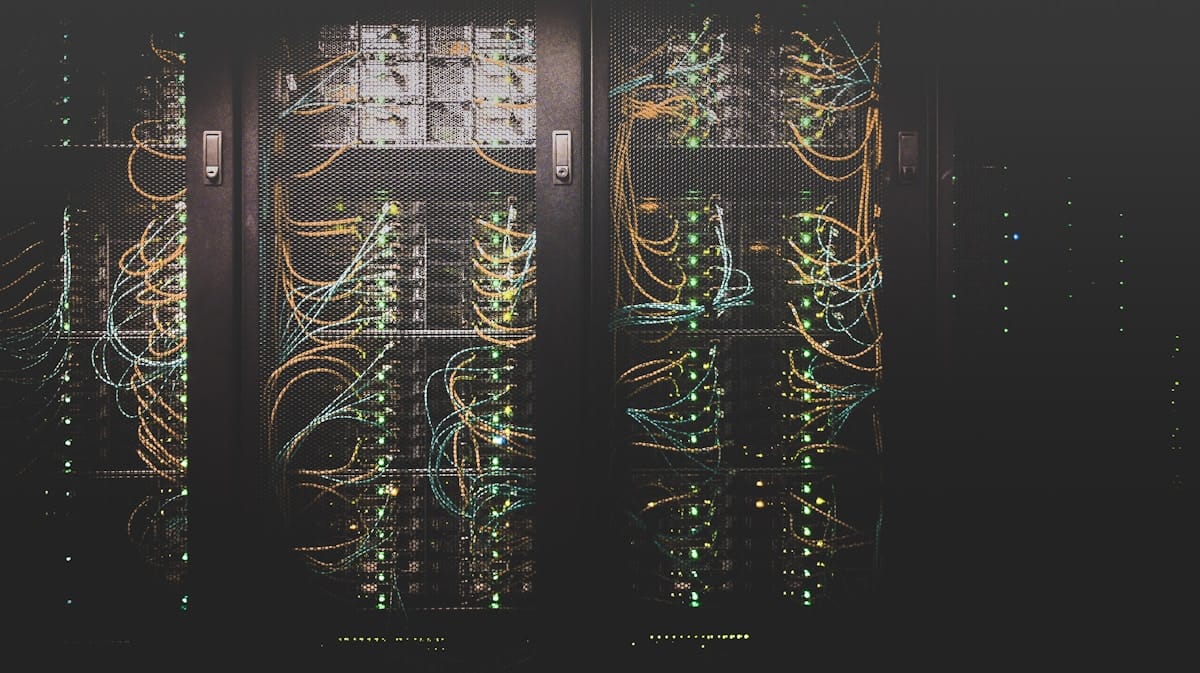
Three years ago my homelab was a Raspberry Pi running Pi-hole and a Plex server. Today it's a multi-node cluster handling production workloads for paying clients. Here's how that happened, and the mistakes I made getting there.
The Turning Point
The shift happened when I realized my homelab skills were directly billable. I was already running Traefik, Authentik for SSO, Docker for everything. When a client needed a containerized app deployed with proper TLS and auth, I didn't need to learn anything new. Just did what I'd been doing at home, but on their cloud account.
That changed how I invested. Every tech choice became a dual-purpose decision: does this solve my home need AND teach me something I can sell?
The Stack
Proxmox for virtualization, which lets me spin up and tear down environments fast. On top of that:
- Traefik for ingress routing with automatic Let's Encrypt certs
- Authentik for SSO across everything
- Docker Compose for deployment (tried K8s, overkill for my scale)
- Tailscale for secure remote access without open ports
- Ansible so I can rebuild from scratch
Mistakes I Made
Over-engineering early. Two weeks setting up Kubernetes for 20 containers. K8s is incredible technology that I absolutely did not need. Sometimes boring is better.
Ignoring backups. Lost a database because I thought RAID was enough. RAID is not a backup. Everything critical now gets copied off-site automatically.
Skipping monitoring. A container failed silently for three days before I noticed. Now I have Grafana dashboards and alerts on everything. If a service goes down, I know in minutes.
What Made It Professional-Grade
Three things:
- Reproducibility. Every config is in code. If my server dies tomorrow, I can rebuild the whole stack from Ansible playbooks and Compose files. No snowflakes.
- Monitoring. Problems at 3 AM come as alerts, not 9 AM client emails.
- Documentation. Not for current-me. For six-months-from-now-me who won't remember why Traefik is configured that way.
The ROI
Total cost: about $50/month in electricity, $30/month in cloud hosting for the stuff that needs public uptime. For that I get a dev environment that mirrors production, hands-on experience with everything I recommend to clients, self-hosted alternatives to expensive SaaS, and a portfolio piece that shows I actually know infrastructure.
If you're in DevOps or infrastructure and you don't have a homelab, you're leaving skill development on the table. Best professional investment I've made outside of formal education.
Keep Reading

The AI Productivity Paradox Is Real - But You Are Measuring the Wrong Thing
CEOs say AI isn't moving the needle on productivity. I've been running AI in production for months. Here's why they're both right and wrong — and what the actual measurement problem is.

I Do Run AI Agents Overnight. Here's What Actually Matters.
A post about autonomous AI agents hit the top of HN this morning. I actually run them. Here's what I've learned about where they work, where they fail, and the 6 rules I've settled on.

Every Few Months a New Model "Beats Whisper." This One Is Different.
Moonshine AI posted their open-weights speech-to-text toolkit on Hacker News this morning. 252 points in 13 hours. The top-line claim: higher accuracy than Whisper Large